Airflow Technology – The Foundation of Every Spray Booth
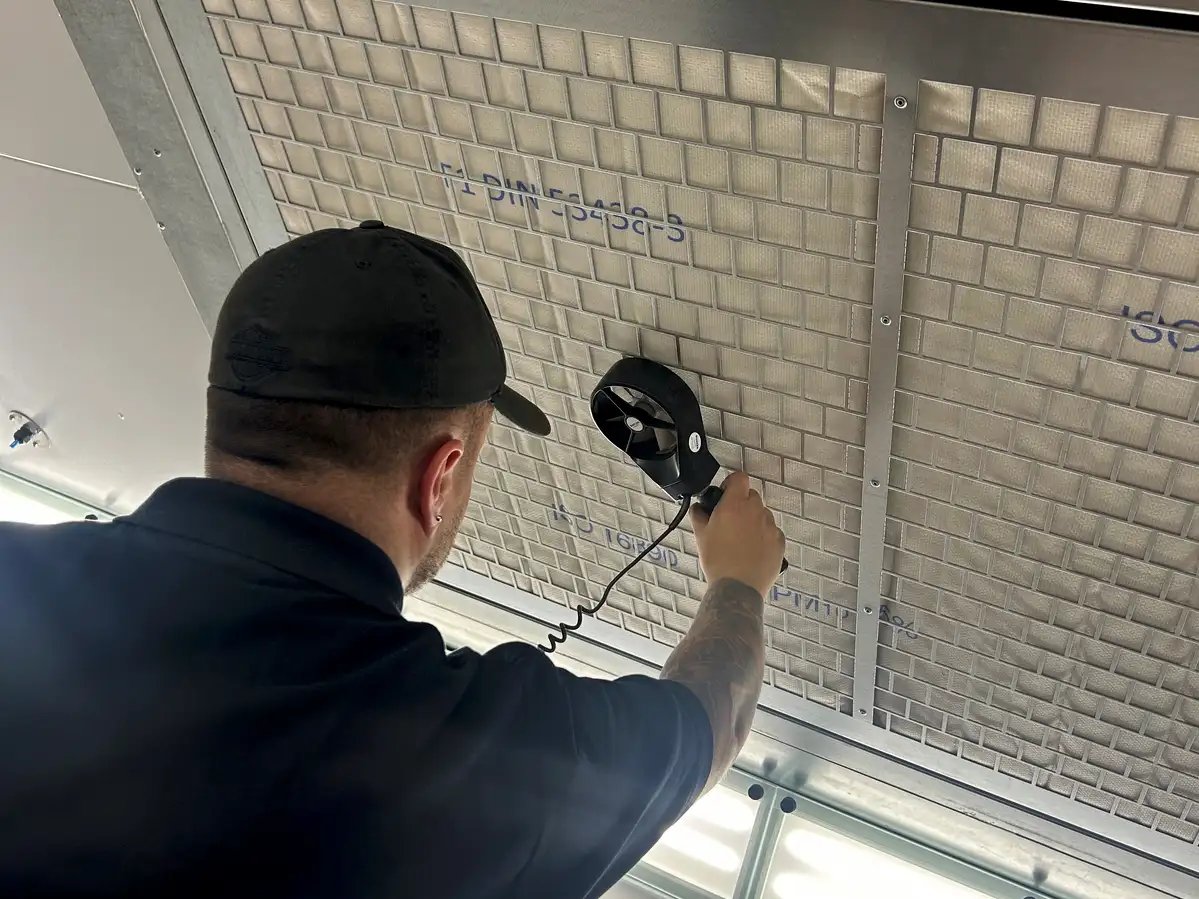
Airflow is the most fundamental aspect of spray booth technology. The direction, volume, and consistency of airflow through the spray zone determines how effectively overspray and solvent vapour are controlled, and how clean and consistent the final finish will be.
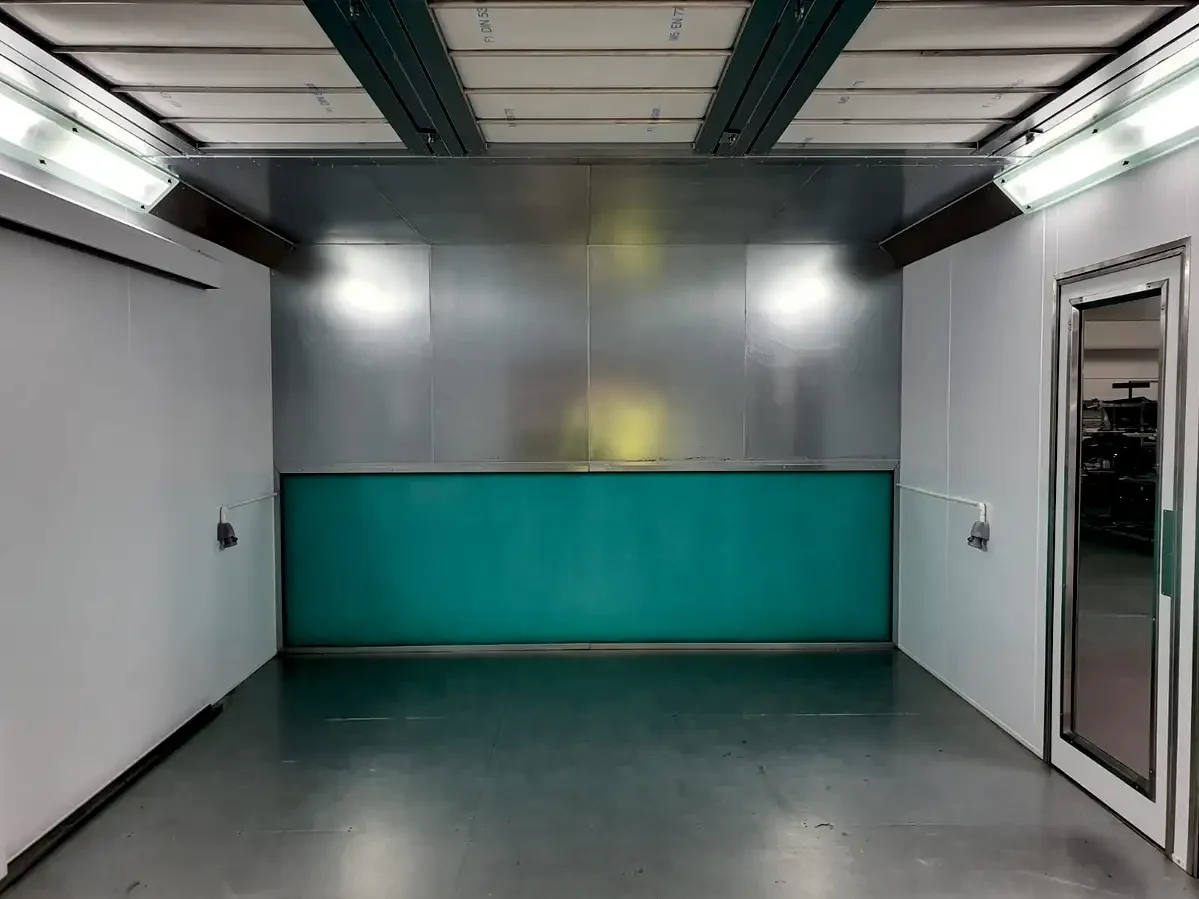
Modern spray booths use one of three main airflow configurations. Downdraft systems draw air vertically downward from a ceiling plenum through the spray zone to floor-level extraction – the most effective configuration for high-quality finishing and the choice of most automotive and industrial manufacturers. Our detailed guides to full downdraft spray booths and semi-downdraft spray booths explore these configurations in depth. Cross-draft systems draw air horizontally across the spray zone and are typically used in lower-throughput applications where floor-level extraction is not practical.
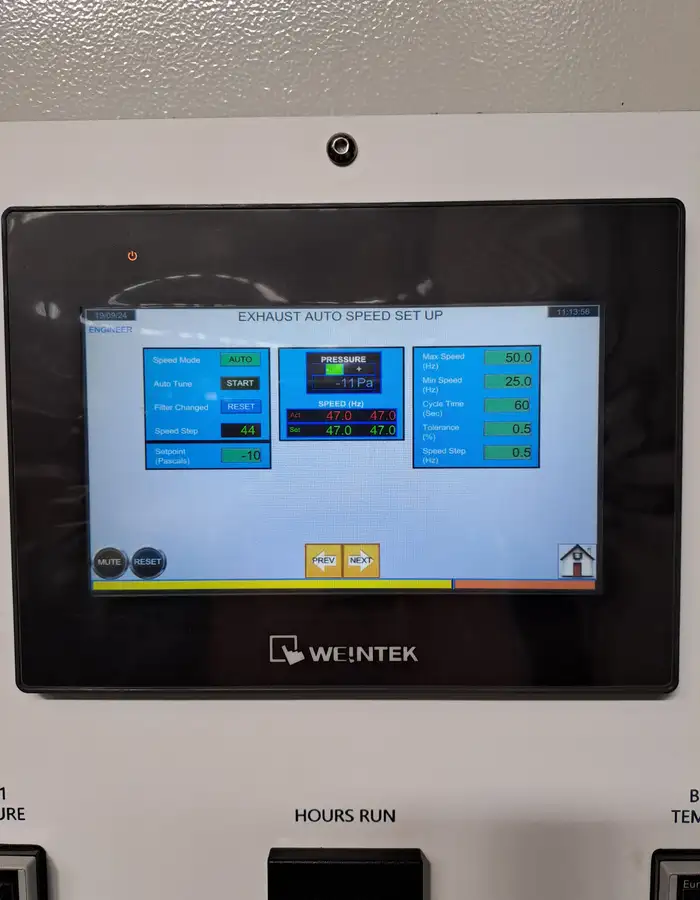
The key technological advances in airflow have been in variable-speed fan systems, which allow airflow rates to be adjusted dynamically to match the phase of the process, and in plenum design, which ensures even air distribution across the full ceiling area rather than concentrated flow from fixed points.
Filtration Technology
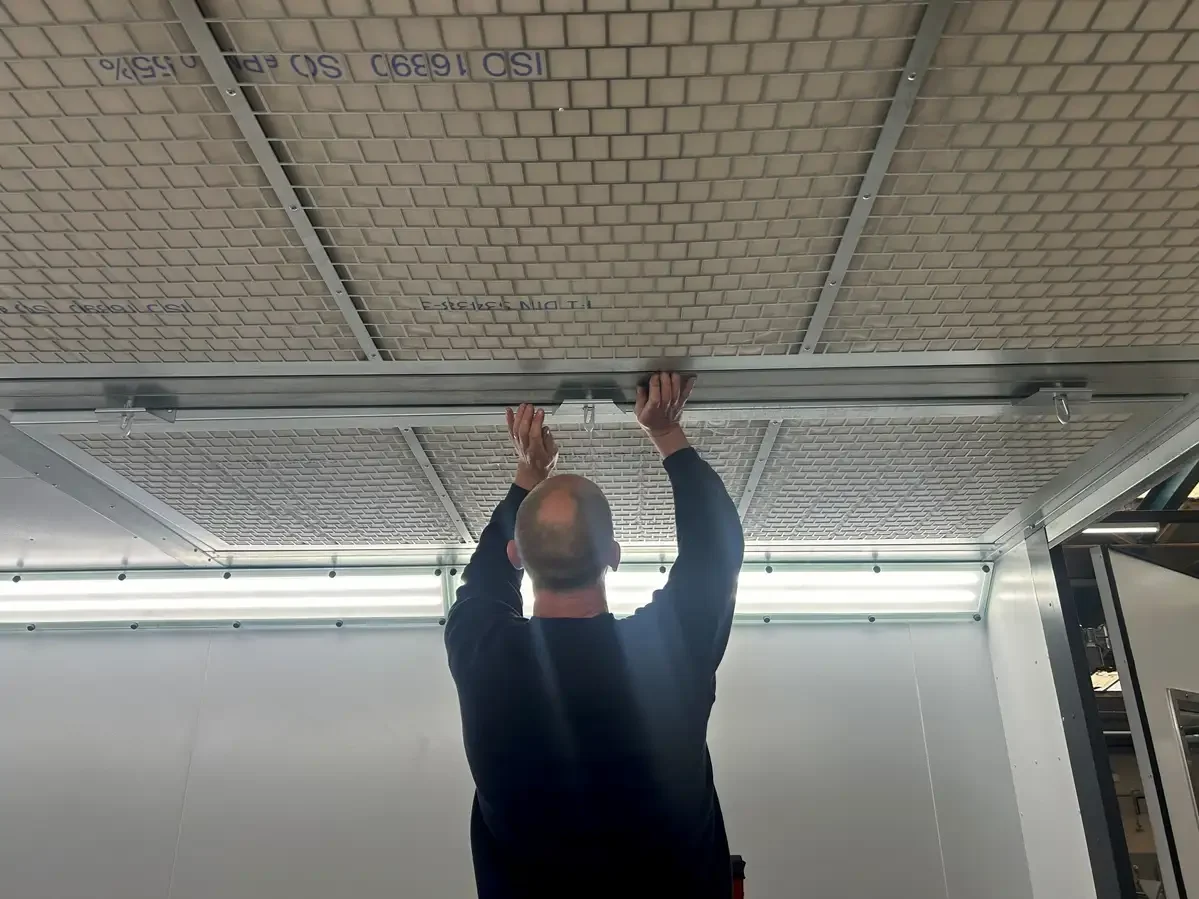
Every spray booth requires two distinct filtration stages: intake filtration to ensure the air entering the booth is clean, and exhaust filtration to ensure that contaminated air – laden with overspray, solvents, and particulates – is cleaned before it is discharged.
Intake filters are typically multi-stage, progressing from coarse pre-filters to finer synthetic media designed to capture particles down to very small micron sizes. On the exhaust side, paint arrestor filters capture the overspray particles, while activated carbon stages or thermal oxidisers may be required to manage solvent vapour in line with current UK VOC emission regulations.
The quality and specification of filtration technology has a direct impact on booth maintenance costs, regulatory compliance, and the service life of the fan and heating systems downstream of the filters.
Heating and Cure Technology
Most industrial spray booths operate in two distinct temperature phases: the spray phase, where the booth runs at ambient or slightly elevated temperatures to support atomisation, and the cure or bake phase, where temperatures are raised significantly to accelerate the hardening of the paint coating.
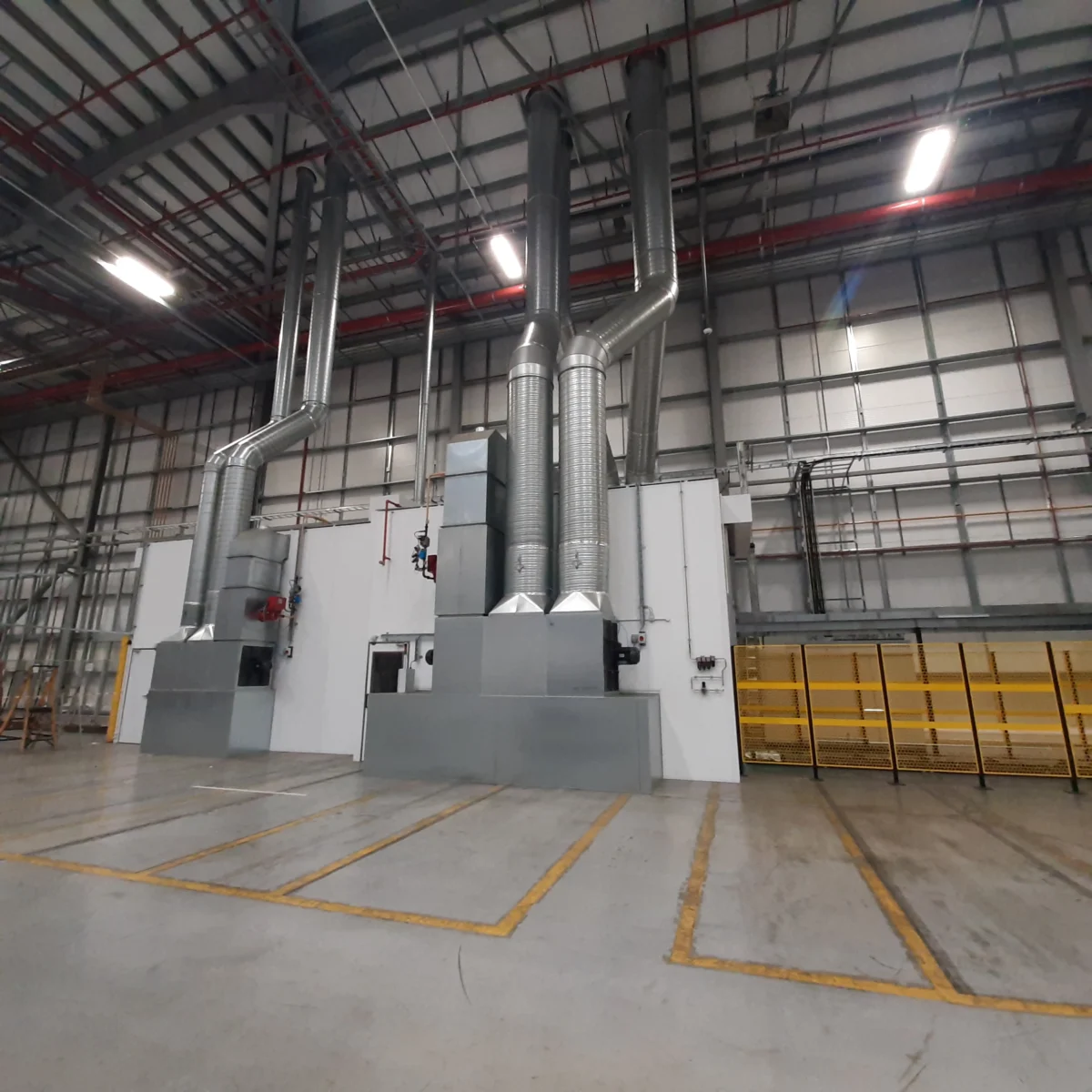
Modern spray booth heating technology typically uses gas-fired or electric direct-fired air handling units, with heat exchangers or recirculation systems that retain and reuse heated air during the cure cycle rather than exhausting it. This recirculation approach is central to the energy efficiency of contemporary spray booth technology – in well-designed systems it can recover a significant proportion of the heat energy that older direct-exhaust systems wasted entirely.
Digital Controls and Monitoring
One of the most significant advances in spray booth technology in recent years has been the integration of digital control systems. Where older booths relied on manual timer controls and fixed thermostat settings, modern systems use programmable logic controllers (PLCs) that manage every aspect of the booth’s operation automatically.
These systems can store multiple process programmes for different coatings and substrates, monitor filter condition and alert operators when replacement is due, log temperature, airflow, and cycle data for quality assurance and compliance purposes, and integrate with wider factory management systems. For businesses operating under ISO quality standards or aerospace approvals, the data logging capabilities of modern spray booth control systems are often essential.
Choosing the Right Spray Booth Technology
There is no single “best” spray booth technology – the right specification depends entirely on the application. The key questions to work through are the type and size of workpiece, the coatings being applied, the required throughput, the available facility space, the environmental and compliance obligations, and the long-term running cost targets.
Getting this specification right at the outset is far more cost-effective than retrofitting or upgrading later. At Unitech Machinery, our engineering team works through these requirements in detail with every customer before a single component is specified. Our spray booth solutions are designed and manufactured in-house at our Staffordshire facility, giving us the flexibility to engineer the right technology for each individual application.
Contact the Unitech team to discuss your spray booth technology requirements with our engineers.